Finding the right dance school can feel overwhelming. You're probably wondering — what actually matters? Class size? Teacher experience? Location? All of it?
We've put together what to look for when you're choosing a dance school in Funchal. We're not going to bore you with generic advice. Instead, you'll get specific factors that actually impact your learning experience. Most beginners overlook at least two of these, and it usually comes back to bite them later.
Class Size Matters More Than You Think
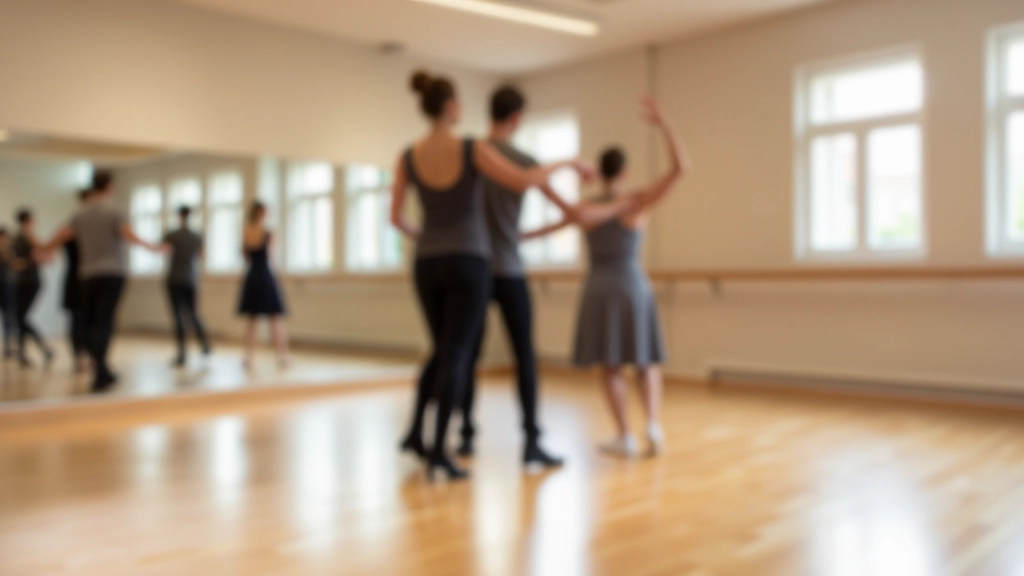
Here's the deal: if your class has 20 people and one instructor, you're basically learning on your own. That's just reality. The teacher can't watch everyone's footwork, correct your frame, or spot when you're compensating with your shoulders instead of using your core.
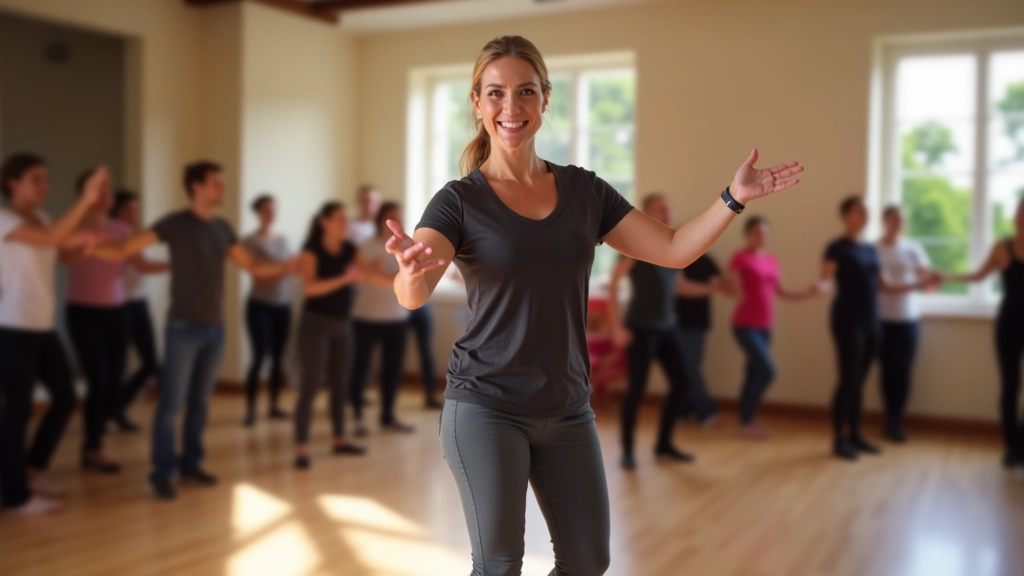
We'd say aim for 8-12 people per class maximum. That's the sweet spot. You're getting attention without it feeling like a private lesson. At 6 people or fewer, instructors sometimes charge more because it's nearly one-on-one. At 15+, you're paying the same price but getting half the feedback.
When you call to ask about class sizes, don't just ask the average. Ask what the actual enrollment is right now. A school might tell you "we keep classes around 10" but you're walking into their Wednesday evening class with 18 people. Get specifics.
Instructor Experience Isn't Just Years on Stage
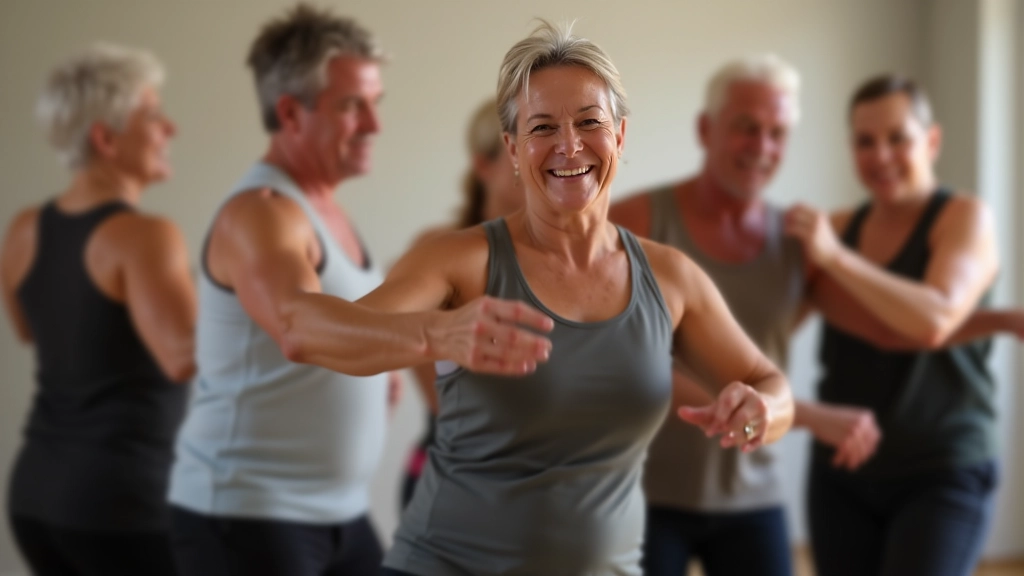
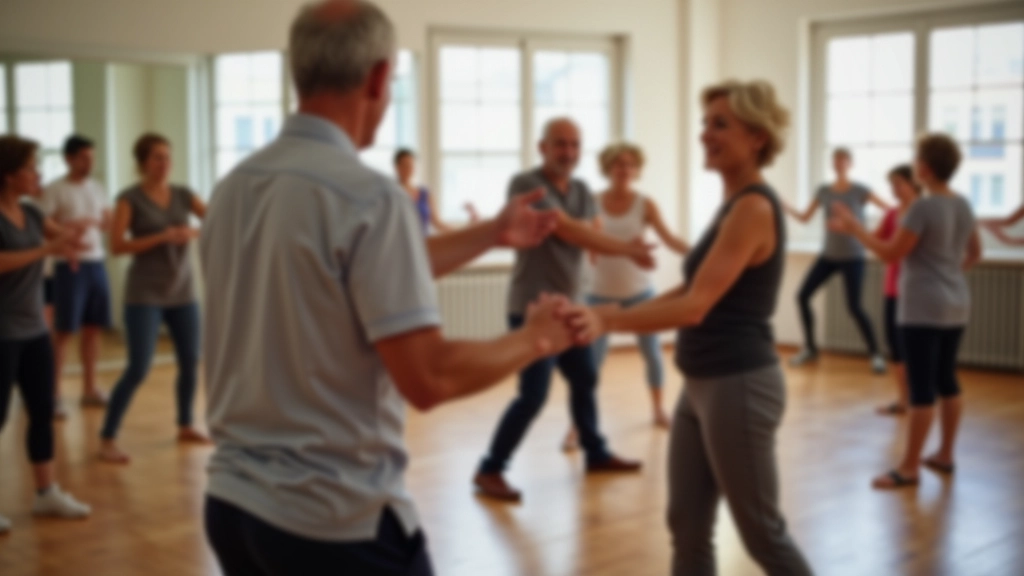
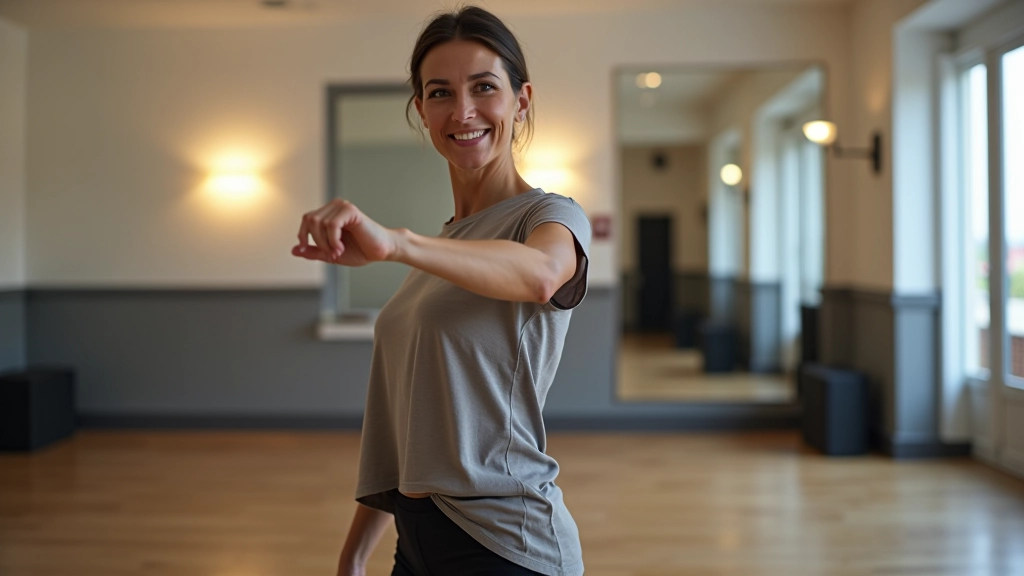
Some of the best teachers you'll find aren't the ones with the longest competition record. What you actually need is someone who's taught beginners — specifically, taught people your age or older. Teaching bachata to 20-year-olds is completely different from teaching it to someone in their 50s. The body mechanics change. The motivations are different. The injury concerns are real.
Ask teachers directly: how long have they been teaching? How many adult beginner students have they worked with? Do they modify movements for different flexibility levels? If they give you vague answers, that's a warning sign. You want someone specific about their experience.
Look for certifications or training in adult education too. It's not required, but it shows they've thought about how adults actually learn. Plus, if an instructor is active in their teaching community — maybe they attend workshops, mentor other teachers — that's usually a good indicator they're serious about improvement.
Facilities and Location — The Overlooked Deal-Breakers
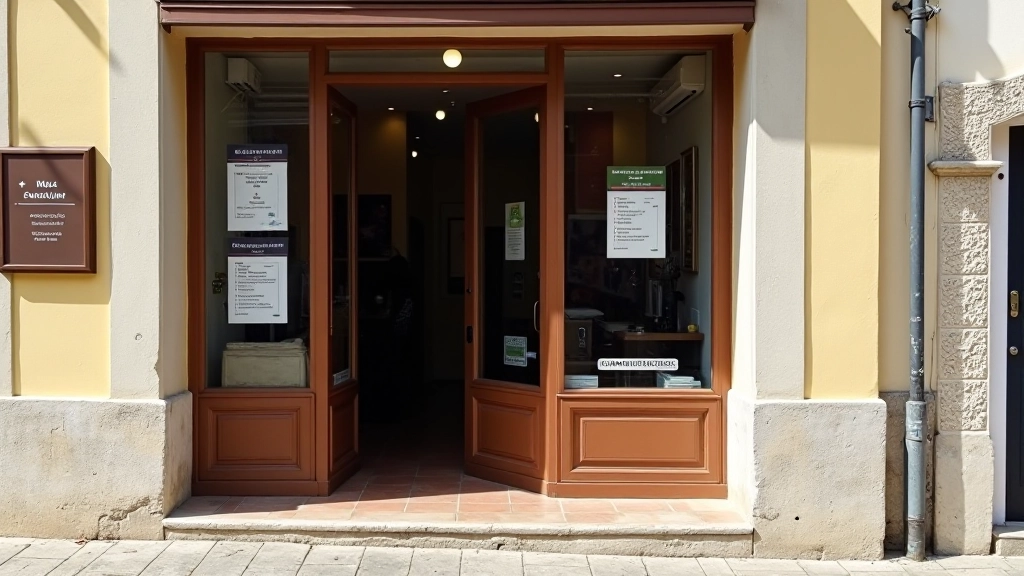
You'll go to more classes if the location is convenient. This isn't romantic, but it's true. If the studio is 20 minutes away and you have to find parking, you'll skip more often. If it's on your commute or a 5-minute walk, you'll actually show up.
Now for the studio itself. The floor matters. Really. Wooden sprung flooring is what you want — it absorbs impact and protects your joints. Concrete floors or regular wood will hurt your knees and hips after a few months. Ask what the floor is made of. If they can't tell you or it's not sprung flooring, that's a red flag for injury risk.
Check for mirrors — you need them to see your frame and posture. Look for temperature control. A hot, stuffy studio where you can't breathe is miserable. Is there a changing area? Somewhere to store your bag? These seem small, but when you're paying for classes, you deserve basic comfort.
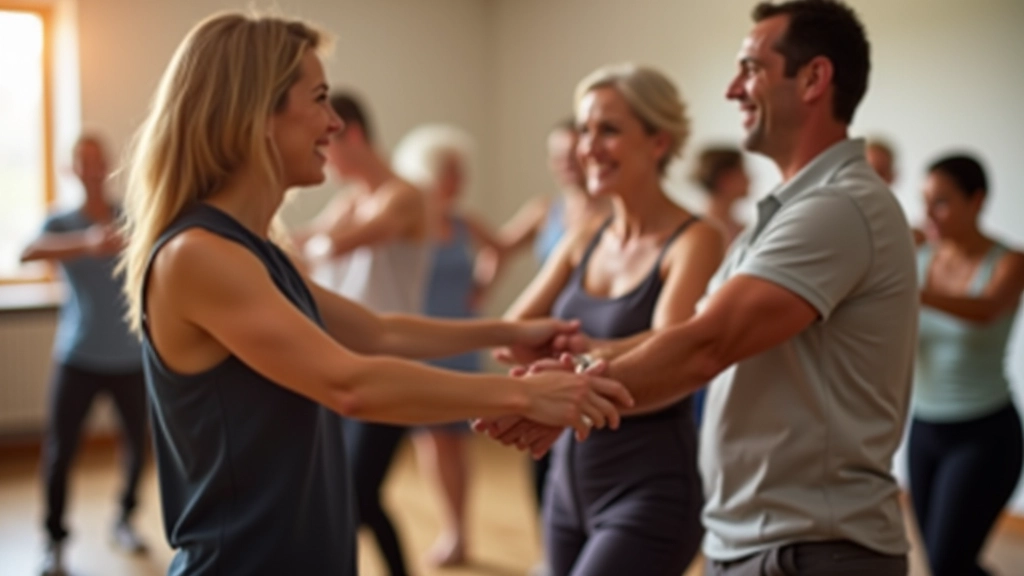
Always Take a Trial Class First
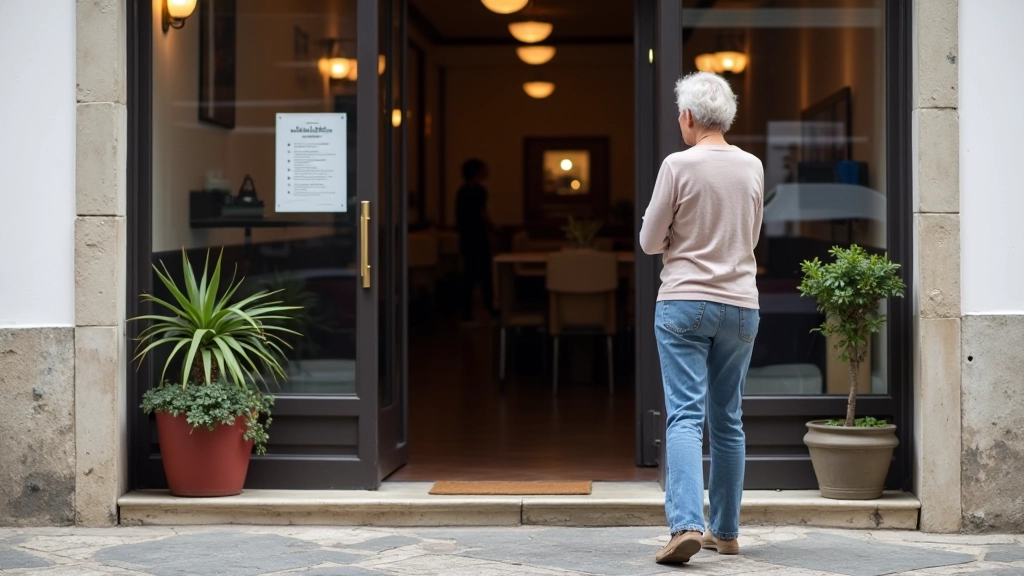
Don't just call and ask questions. You need to actually feel what a class is like. The vibe, the pace, whether the teacher makes you feel comfortable. Some schools offer a free first class. Some charge a small amount (usually €5-10). Either way, it's worth it.
During your trial, pay attention to how the teacher corrects mistakes. Are they kind about it? Do they explain the why? Or do they just say "no, do it like this" and move on? Watch how other students are treated. Are there people clearly struggling and being left behind? Are they being helped?
Also notice the community feel. Do people chat before and after? Are they encouraging each other? The best classes have a genuine sense of camaraderie. You're not just paying for technique — you're paying for a place where you belong.
Making Your Decision
Choosing a dance school in Funchal doesn't have to be complicated. Focus on the fundamentals: reasonable class sizes where you'll actually get feedback, an instructor who understands adult learners, a studio with proper flooring and a convenient location, and the chance to try a class before committing.
You'll probably find that one or two schools stand out once you check these boxes. Don't overthink it after that. Pick the one where you felt most welcome, and commit to showing up regularly. That's honestly 80% of success. The rest is just showing up and putting in the work.
Quick Checklist: Class size under 12 people? Instructor experienced with adults? Sprung wooden flooring? Convenient location? Welcoming atmosphere? If you're checking these boxes, you're on the right track.
Informational Purpose
This article provides general guidance for choosing a dance school based on common best practices. Individual circumstances vary widely. Before starting any new physical activity, especially if you have existing health conditions, consult with a healthcare provider or qualified medical professional. Dance school quality depends on many factors beyond those listed here, and your personal experience may differ based on your learning style, fitness level, and goals.
Continue Your Learning