
Why Dance Matters More Than You Think
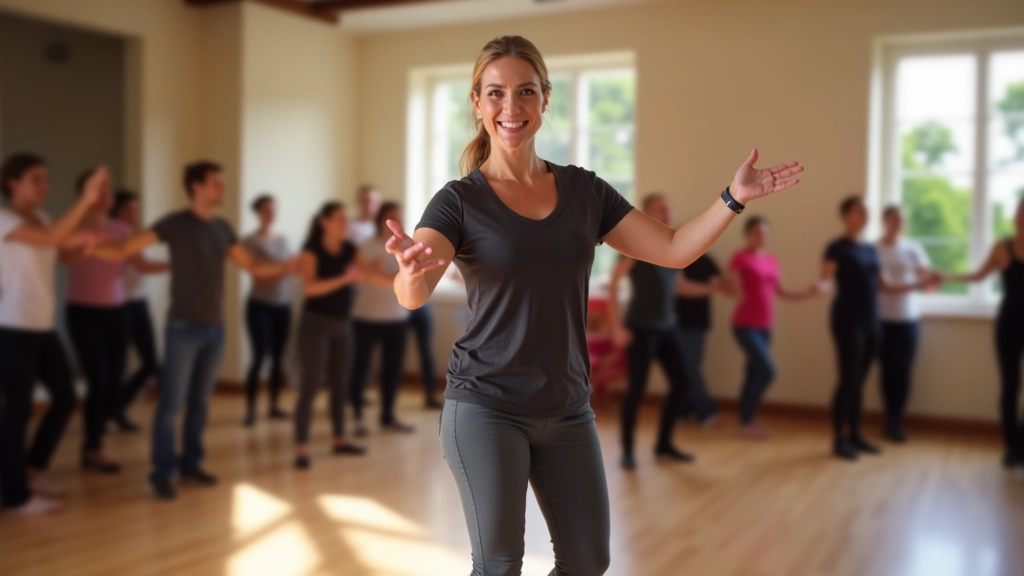
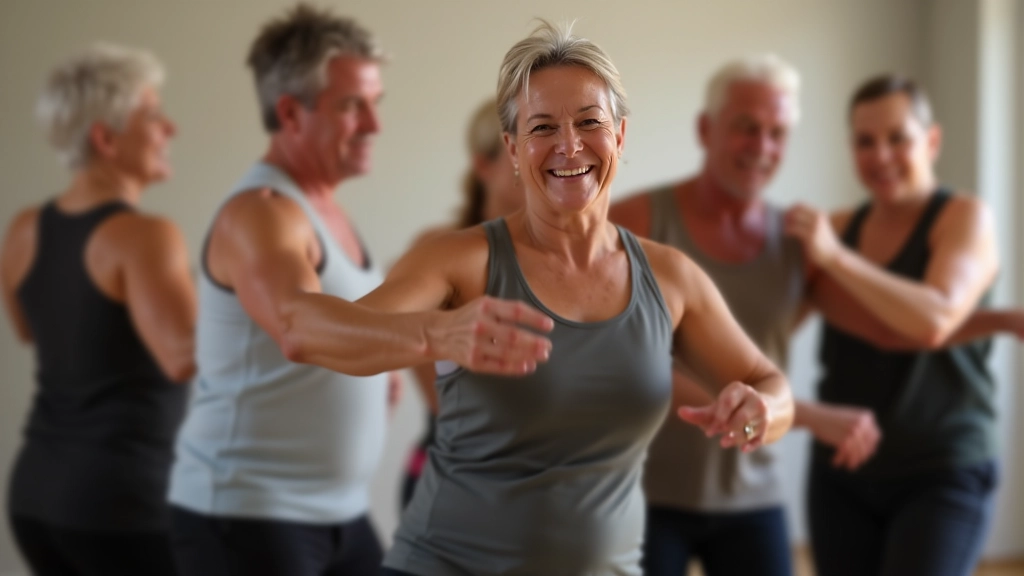
If you're over 45, you've probably heard about walking, swimming, and yoga. But here's what you might not know: dancing does something those activities don't. It's not just exercise. It's a full conversation between your brain and body — one that's incredibly powerful after 45.
We're not talking about flashy choreography or keeping up with professionals. We're talking about moving to music with other people, learning patterns, and feeling alive in ways you forgot were possible. That's where the real magic happens.
Cardiovascular Health — Your Heart Will Thank You
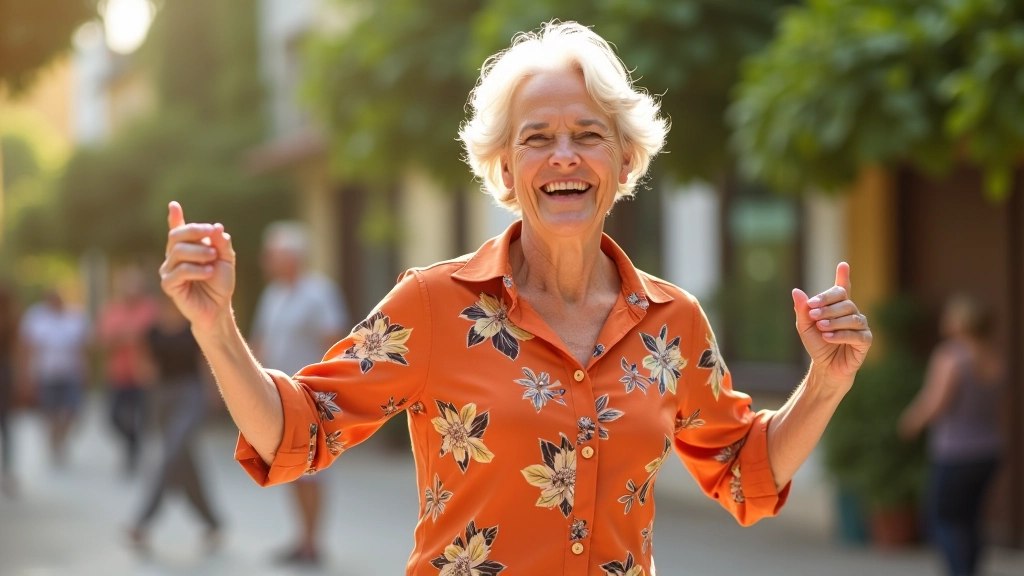
Dance gets your heart pumping. But it's different from running on a treadmill. You're engaged, you're enjoying yourself, and that matters. Studies show that people who dance regularly have stronger cardiovascular systems than people who do the same duration of steady-state cardio.
Here's why: dancing alternates between faster movements and slower recovery sections. It's interval training disguised as fun. Your heart adapts, becomes more efficient, and your blood pressure stays healthier. After just 3-4 weeks of regular dancing (2 sessions per week, 45-60 minutes each), most people notice they're less winded climbing stairs.
Real improvement: Regular dancers often see a 10-15% increase in cardiovascular endurance within 8-12 weeks. That's measurable. That's real.
Balance and Coordination — Preventing Falls Before They Happen
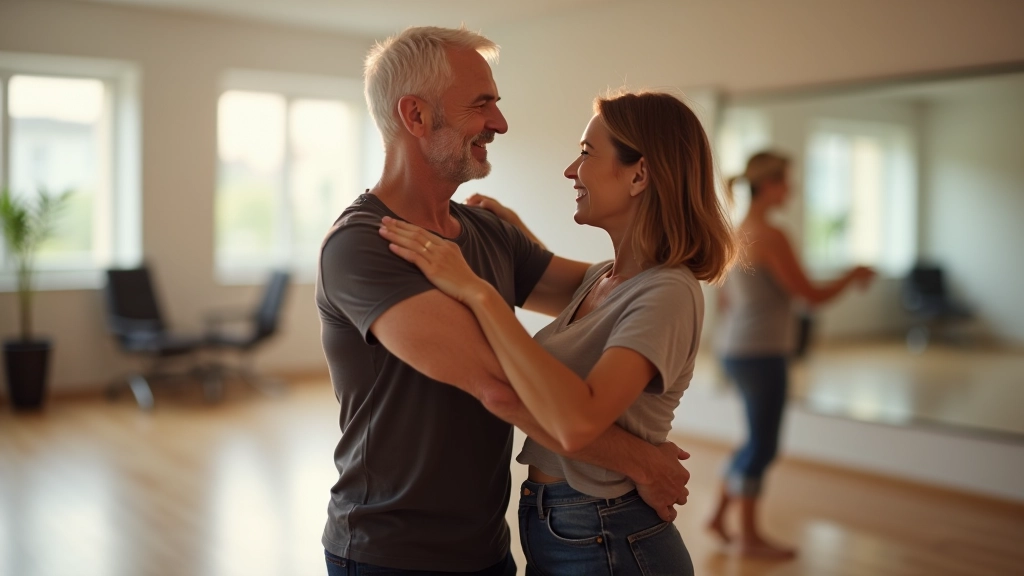
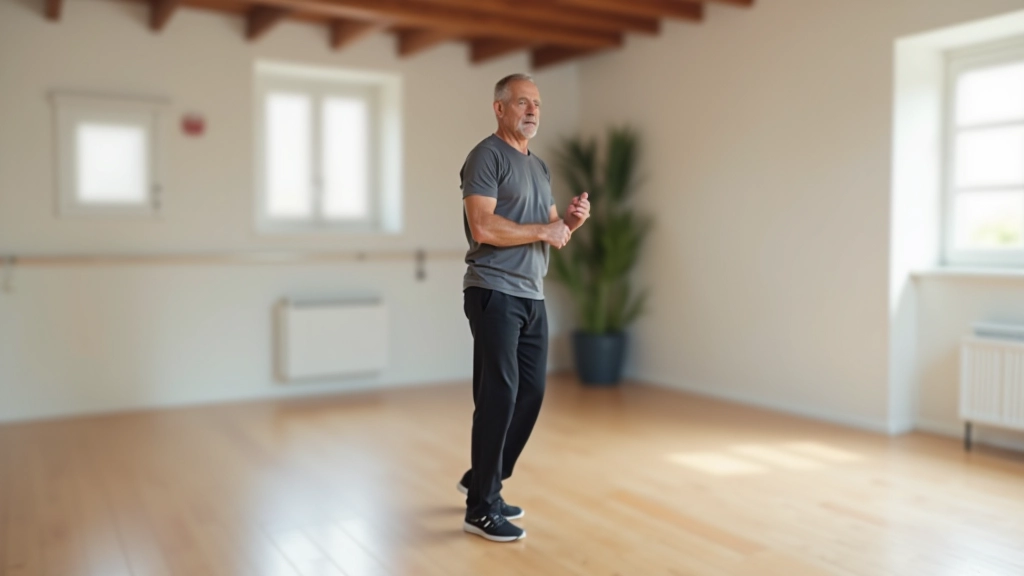
Falls are one of the biggest health risks after 45. They're how serious injuries happen. But here's what's interesting: dancers have significantly better balance. Why? Because every dance step is basically balance training in disguise. You're shifting weight, changing directions, and responding to rhythm — all things that strengthen the tiny muscles and neural connections that keep you upright.
Bachata teaches you to move your hips while keeping your upper body stable. Salsa requires you to change weight and direction quickly. These aren't just dance moves. They're balance exercises. People who've been dancing for 6+ months often report feeling more stable in daily life. Less stumbling. More confidence walking on uneven surfaces.
And your bones get stronger too. The impact of your feet hitting the floor, the resistance of moving your own body weight — it all builds bone density. That's crucial after 45.
Mental Health and Mood — The Brain Benefits You Don't See Coming
This is where people get surprised. Dance isn't just physical. When you're learning steps, counting beats, remembering patterns, and listening to music, your brain is working hard. It's solving problems in real time. You're also releasing endorphins — those feel-good chemicals. But it's more than that.
People who dance regularly report better mood, less anxiety, and improved sleep. Some say they're more confident. Others notice their memory gets sharper. That's not coincidence. Dance combines cognitive challenge, physical activity, social connection, and music — a perfect storm for brain health.
35%
Reported mood improvement after 8 weeks of regular dancing
2x
Better social connection than solo exercise
Getting Started — What to Expect
1
First Class
You'll feel awkward. Everyone does. But instructors know this. You'll learn basic steps slowly. No pressure to keep up.
2
Weeks 2-4
Your body starts remembering patterns. Steps feel more natural. You'll notice your breathing is better during the warm-up.
3
Weeks 5-8
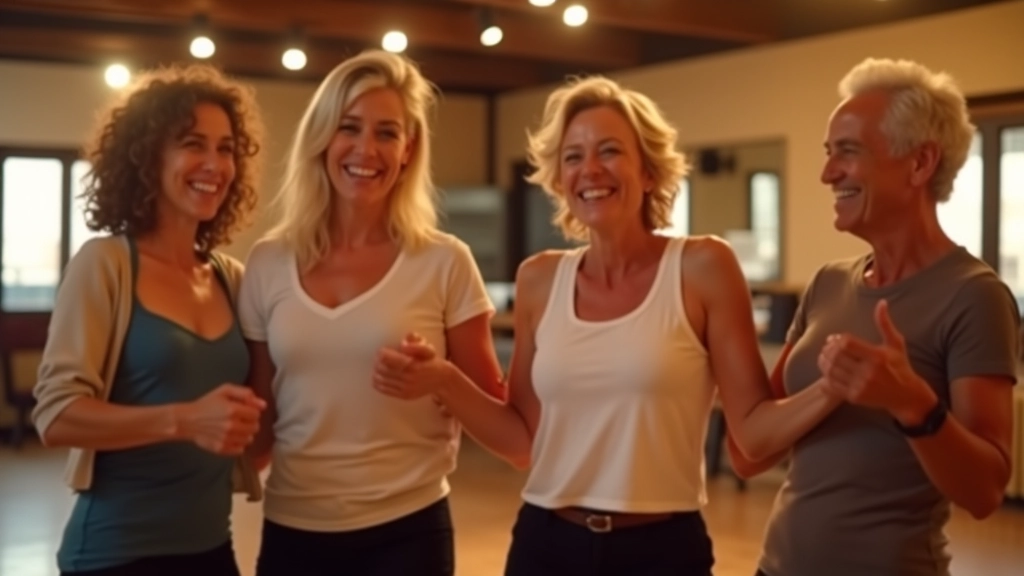
Real improvement happens. You're dancing without thinking so hard. You're enjoying the music. Friendships form. You actually look forward to class.
4
3+ Months
You're noticeably stronger, more confident, sleeping better, and genuinely happy. It's not just exercise anymore — it's part of your life.
The Real Picture
Dance after 45 isn't about being young again or performing. It's about being healthier, stronger, more confident, and genuinely happier. Your heart gets stronger. Your balance improves. Your brain gets sharper. Your mood lifts. And you're doing it with other people who get it.
The best part? You don't need any experience. You don't need to be flexible or coordinated. You just need to show up, be willing to learn, and enjoy music. That's it. And the benefits are real, measurable, and worth every step.
Important Note
This article is educational and informational in nature. While dance offers many health benefits supported by research, individual results vary. If you have existing health conditions, injuries, or concerns about starting a new physical activity, consult with your healthcare provider before beginning dance classes. A qualified dance instructor can also help modify movements to suit your specific needs and fitness level.