

Why Salsa Works for Mature Dancers
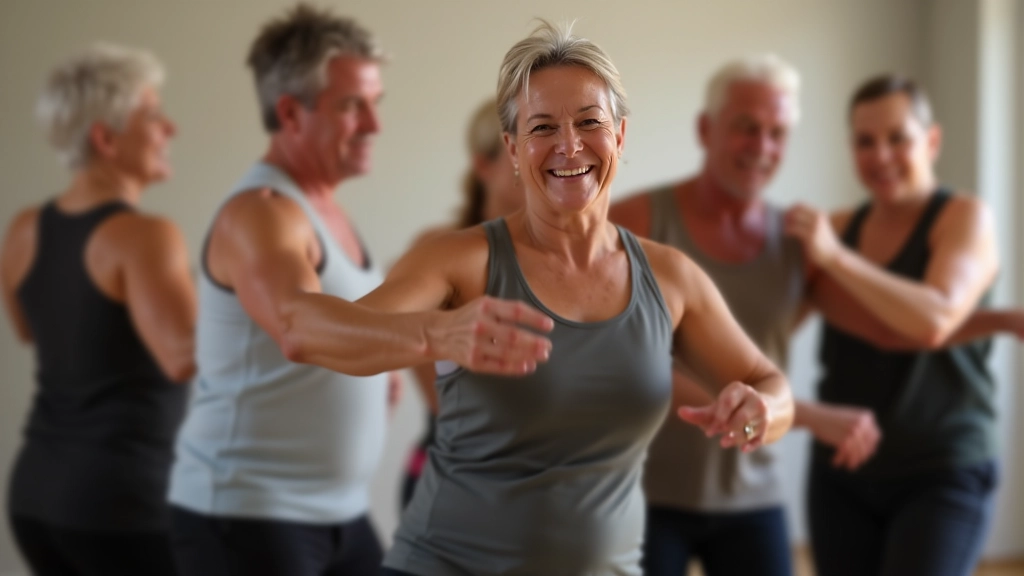
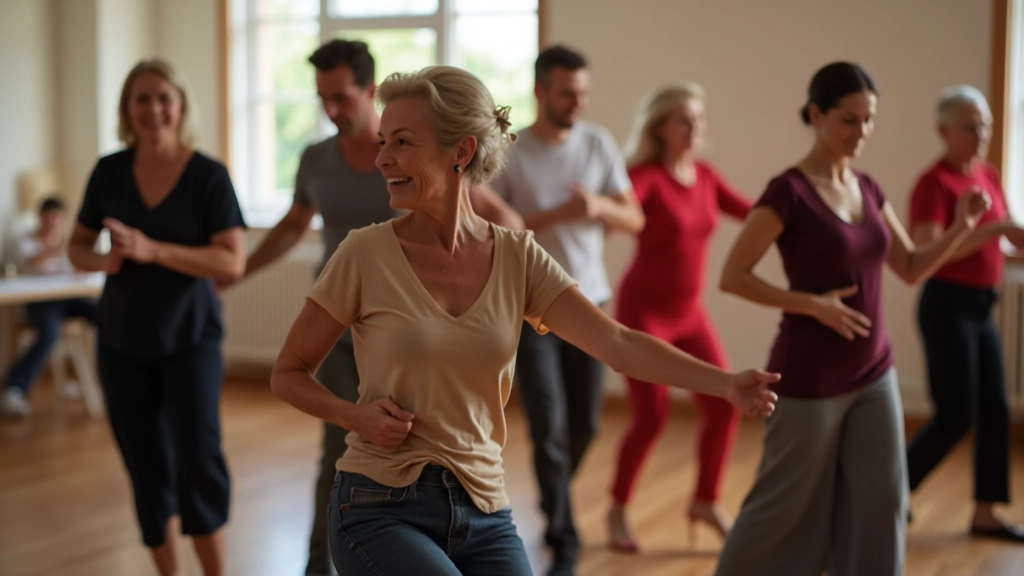
Starting salsa after 45 isn't just possible — it's actually ideal. You've got life experience, you understand rhythm from music you love, and you're ready to actually enjoy learning instead of just rushing through. The thing is, salsa doesn't require you to be young or flexible. It requires patience, practice, and a partner who's learning right alongside you.
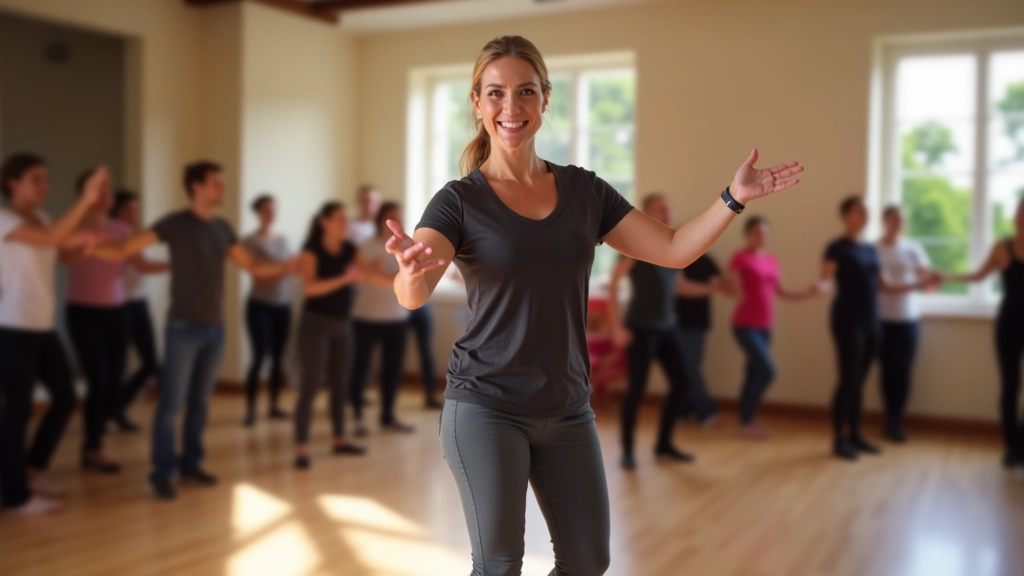
We've taught hundreds of dancers who came to their first class nervous about their coordination or worried they'd "never get it." Six weeks later? They're leading with confidence, following naturally, and actually looking forward to Tuesday night class. That transformation happens because the fundamentals are simple, the progressions make sense, and nobody's rushing anyone.
The Real Salsa Timeline
- Weeks 1-2: Basic step, timing, frame
- Weeks 3-4: Leading/following, simple turns
- Weeks 5-6: Combinations, confidence emerges
- Months 3+: Smooth dancing, real connection
The Basic Step Broken Down
The foundation of salsa is the "basic step" — and honestly, it's not complicated. You're stepping forward, back, and then pausing. That's it. The rhythm is 1-2-3, pause, 5-6-7, pause. The 4 and 8 are your reset beats where weight transfers without stepping.
Here's what makes this work for mature dancers: you don't need extreme flexibility or explosive speed. What you need is understanding where your weight is and moving with intention. Most beginners over 45 actually nail this faster than younger dancers because you're not trying to make it flashy — you're focused on the mechanics.
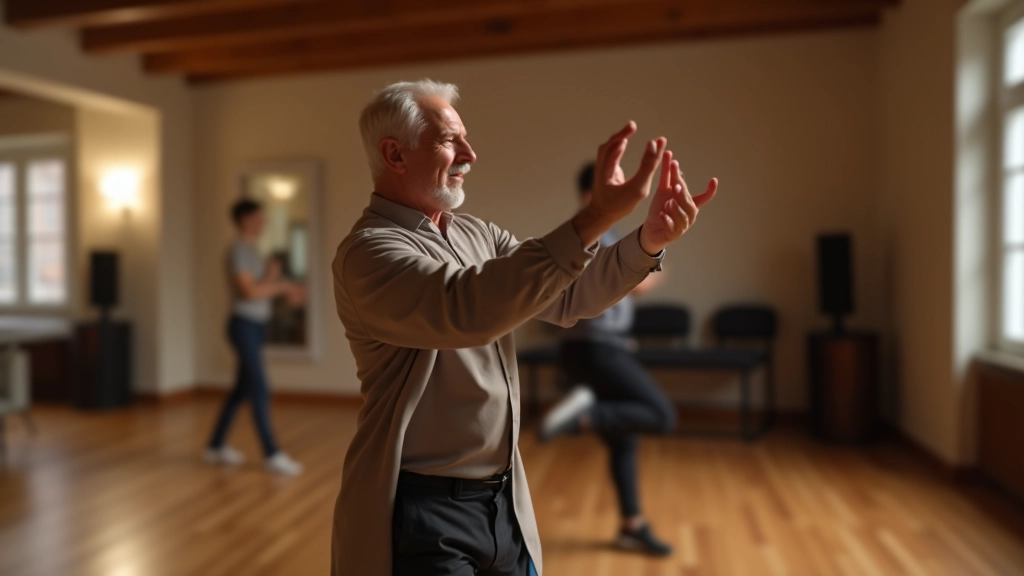
Start with feet hip-width apart. Step forward on count 1 with your left foot, shift weight. Step back on count 5 with your left foot, shift weight. That's your basic step. Add arms — frame stays relaxed, elbows bent at roughly 90 degrees — and you're dancing salsa. The lead guides the follow with gentle pressure, not force. Connection comes from being present, not from strength.
Building Your Confidence as a Leader or Follower
Whether you're leading or following, the first 4-5 weeks feel awkward. Your feet think about every step. Your arms feel stiff. Your brain's trying to count and listen to music at the same time. That's completely normal. We see this every session, and we promise it changes around week 6 when your body just starts to know what to do.
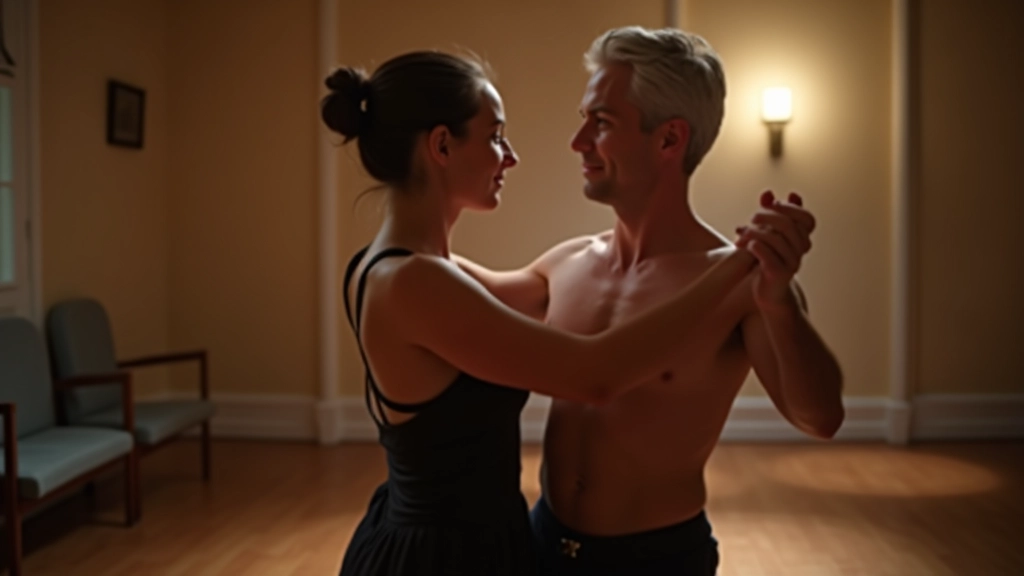
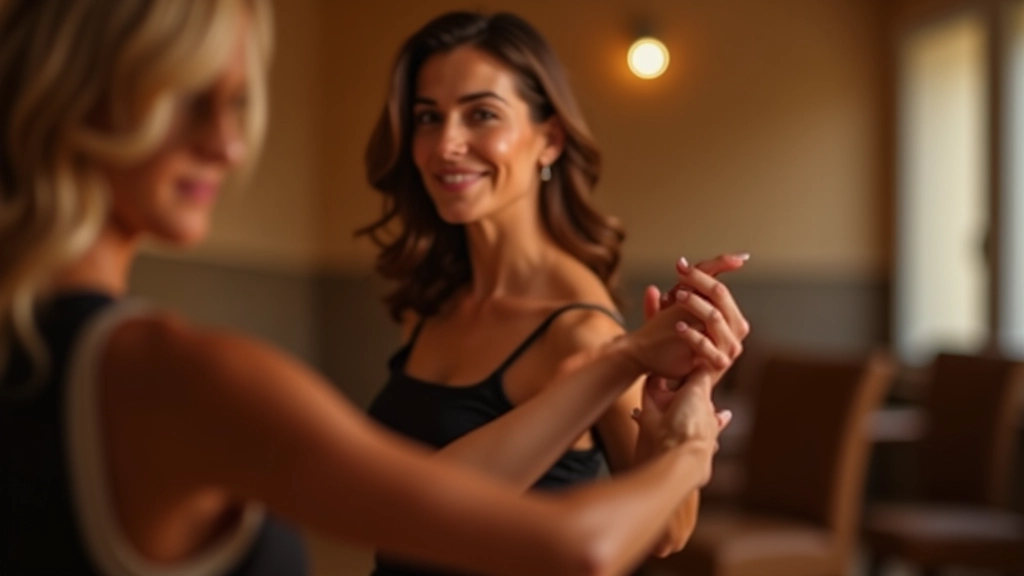
Leaders, you're responsible for the pattern and guiding your partner with clear signals through frame and hand contact. It's not about being strong — it's about being clear. Followers, you're matching your partner's energy while maintaining your own frame and rhythm. You're not passive. You're listening with your whole body and responding with control.
The real breakthrough comes when you stop thinking about steps and start thinking about partnership. You'll notice this around week 7 or 8 when suddenly you're dancing with someone new and the patterns just transfer over. That's when salsa stops being a choreography you memorized and becomes something you're actually doing together.
Common Challenges and Real Solutions
Balance and Weight Shifts
Feeling off-balance happens when weight doesn't fully transfer. The fix: stand with your weight on the ball of your foot, knees slightly bent, and pause fully on the non-stepping beats. Practice the basic step without music first — just shifting weight back and forth. Once that feels stable, add the rhythm.
Losing the Beat
Most mature dancers lose the beat when they overthink. The solution is simpler than you'd think: listen to salsa music for 10 minutes daily outside of class. Feel where the clave rhythm sits. After two weeks of this, your body starts naturally syncing. Don't force it.
Hip Movement
You don't need extreme hip action. Hips follow naturally from weight shifts and bent knees. If you're rigid in the hips, your whole body gets tense. Keep knees slightly bent throughout — this creates the hip motion automatically. Forcing hip movement creates tension. Let physics do the work.
What Happens After You Learn the Basics
Once you've got the basic step solid — usually around 8-10 weeks of regular practice — you're ready for turns, spins, and combinations. But here's what we've noticed with mature dancers: you don't rush this progression. You're happy dancing the basic step perfectly rather than attempting a turn you're not ready for. That's actually the secret to becoming a genuinely good dancer.
Around month 4, you'll start adding Cuban motion, which is the flowing movement that makes salsa look graceful. This comes from deeper knee bends and more deliberate weight transfers. Then come underarm turns, which take another 2-3 weeks to feel natural. By month 6, you're actually dancing — not just stepping through a pattern.
The journey doesn't end there. Social dancing — going to a dance night and dancing with different partners — that's where real growth happens. You'll dance with partners who lead differently, follow differently, move with different energy. Suddenly your footwork needs to adapt. Your frame needs flexibility. Your confidence gets tested and strengthened.
Starting Your Salsa Journey
You don't need to be young, flexible, or musically trained to learn salsa. You need consistency, patience with yourself, and a willingness to look a bit awkward for a few weeks. That awkward phase is short. The joy of dancing well lasts.
Find a class where the instructor actually teaches mature beginners regularly. They'll understand that your body works differently than a 25-year-old's, and they'll modify without making you feel singled out. They'll break things down slowly. They'll celebrate progress instead of rushing you.
The salsa community is genuinely welcoming to mature dancers. Most dance nights have people dancing in their 50s, 60s, and beyond. You're not an exception — you're just part of the dance floor. So if you've been thinking about trying, this is your sign. Give yourself 10 weeks of consistent practice. By week 8, you'll be actually dancing. By week 10, you'll wonder why you didn't start sooner.
Educational Disclaimer
This article is provided for educational and informational purposes only. The information about salsa fundamentals, dance techniques, and progression timelines reflects general learning patterns observed in beginner classes. Individual results vary based on prior experience, physical condition, practice frequency, and teaching quality. If you have any physical limitations, injuries, or health concerns, consult with a healthcare provider before starting dance classes. A qualified, in-person instructor can provide personalized guidance and modifications suited to your specific needs.
Continue Learning